
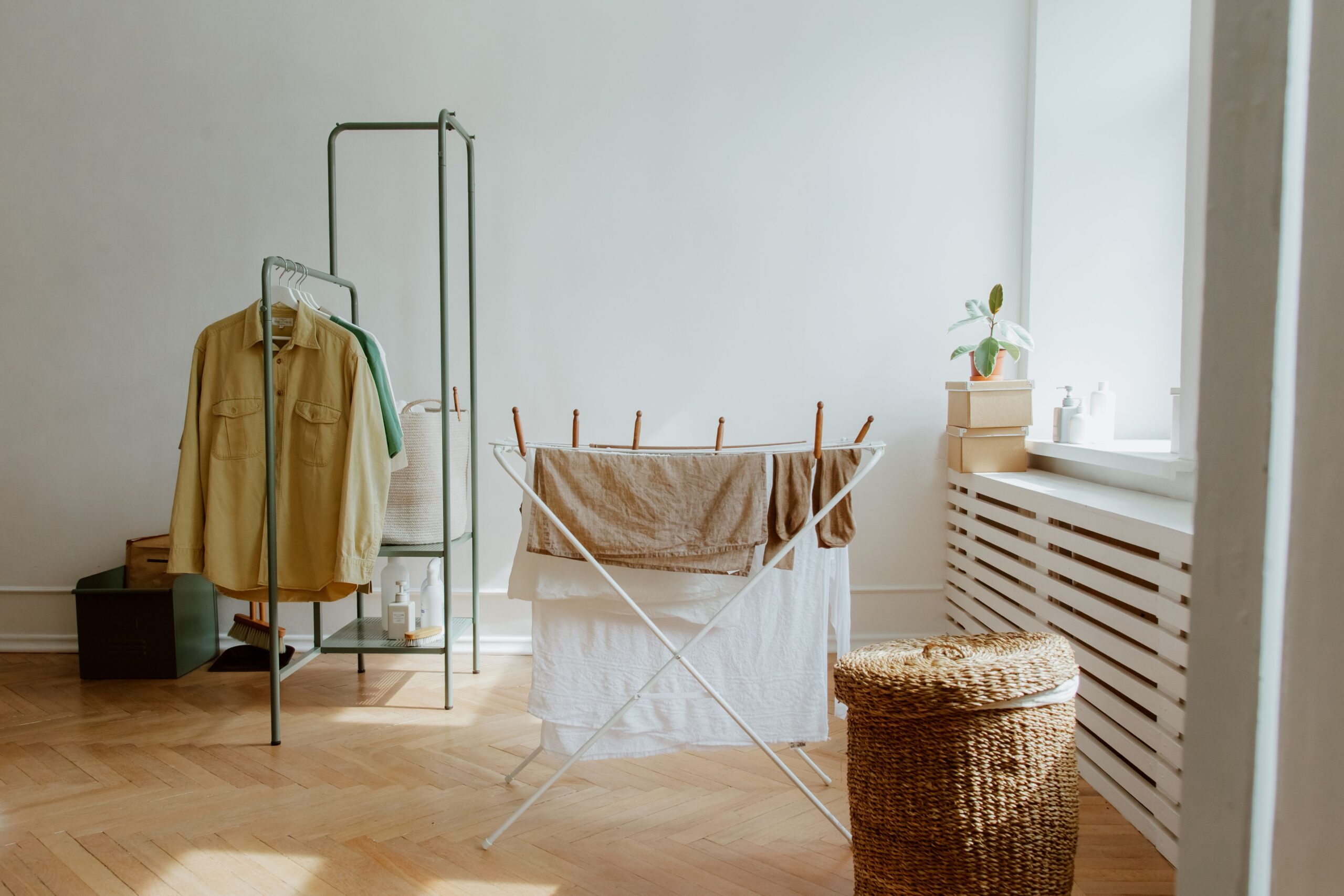
Modern homes are increasingly designed around convenience, organization, and smarter use of space. Among all household areas, the laundry room has become one of the most important spaces for improving daily efficiency. A well designed laundry room can reduce clutter, simplify routines, and save valuable time for busy families. Instead of being treated as a neglected utility area, today’s laundry rooms are carefully planned to support smoother household management.
The shift toward functional laundry spaces reflects broader home design trends focused on practicality and comfort. Homeowners are now looking for layouts and storage ideas that help daily chores feel less stressful and more organized.
Smart Layouts Make Everyday Tasks Easier
The layout of a laundry room plays a major role in household efficiency. Poorly organized spaces often create unnecessary movement and wasted time. Functional designs focus on creating smooth workflows between washing, drying, folding, and storage.
Many modern homes now include side by side washer and dryer arrangements with nearby countertops for folding clothes immediately after drying. This setup minimizes extra handling and keeps laundry from piling up in other rooms. Vertical storage solutions are also becoming popular because they maximize wall space while keeping essentials within easy reach.
Designers are also creating dedicated zones for different tasks. Hampers, detergent storage, hanging rods, and ironing stations are placed strategically to improve convenience. These efficient systems mirror the same structured thinking often discussed in articles about business growth australia, where organized systems lead to improved productivity and better daily performance.
Storage Solutions Reduce Household Clutter
One of the biggest challenges in laundry rooms is managing clutter. Detergents, cleaning supplies, baskets, and household items can quickly create a chaotic environment if storage is limited. Functional laundry room designs solve this issue by incorporating cabinets, floating shelves, hidden compartments, and pull out drawers.
Custom shelving allows homeowners to organize products based on frequency of use. Frequently used supplies can remain accessible while seasonal or backup items stay hidden behind cabinets. Built in hampers also help separate clothing types before washing, saving time during laundry preparation.
Efficient storage systems do more than improve appearance. They also reduce stress and make daily routines easier to maintain. This emphasis on organization is similar to the strategies often highlighted by australian business solutions, where streamlined processes improve overall efficiency and performance.
Multipurpose Laundry Rooms Add More Value
Modern homeowners increasingly want every room to serve multiple purposes. Laundry rooms are no exception. Many homes now combine laundry areas with mudrooms, pet care stations, storage zones, or utility spaces.
Adding benches, hooks, and shoe storage can transform a laundry room into a practical transition area for busy families. Some homeowners even include compact workspaces or craft stations within larger laundry areas. These flexible designs maximize available square footage without sacrificing functionality.
As home improvement trends continue evolving, multifunctional spaces are receiving greater attention across interior design publications and platforms where contributors regularly submit guest post news about innovative residential layouts and smart living ideas.

Lighting and Ventilation Improve Comfort
A functional laundry room should not only be efficient but also comfortable to use. Proper lighting and ventilation play a major role in creating a pleasant environment. Dark and poorly ventilated spaces often make household chores feel more exhausting than necessary.
Natural lighting is becoming increasingly popular in laundry room design because it improves visibility while making smaller spaces feel more open. Bright LED lighting also helps homeowners sort clothing colors more accurately and complete tasks more efficiently.
Ventilation is equally important. Proper airflow reduces humidity, prevents mold growth, and keeps the room feeling fresh. Exhaust systems and windows improve air circulation while protecting appliances from excess moisture damage.
Interior designers and home improvement writers who contribute to a write for us business blog often highlight how thoughtful environmental design can significantly influence comfort, productivity, and long term home maintenance.
Durable Materials Support Long Term Efficiency
Laundry rooms experience constant moisture, heat, and frequent use, making durable materials essential for long term functionality. Waterproof flooring, moisture resistant paint, and sturdy countertops help homeowners avoid expensive repairs and maintenance.
Quartz countertops are becoming increasingly popular because they resist stains and moisture while providing durable folding surfaces. Tile flooring remains a preferred option due to its water resistance and easy cleaning properties.
Cabinet materials are also evolving to handle daily wear more effectively. Soft close drawers, laminate finishes, and durable shelving systems improve both convenience and longevity. These practical upgrades help maintain efficiency while reducing future maintenance concerns.
Many of the best businesses australia within the home improvement industry continue investing in innovative materials that combine durability with modern design aesthetics.
Conclusion
Functional laundry room designs are transforming the way households manage daily chores. Smart layouts, efficient storage systems, durable materials, and multipurpose features all contribute to smoother routines and improved organization. Instead of being viewed as simple utility spaces, laundry rooms are becoming carefully designed areas that support modern lifestyles. As homeowners continue prioritizing convenience and efficiency, laundry room design will remain an important part of contemporary home planning. A thoughtfully designed laundry space not only improves household productivity but also creates a more organized and comfortable living environment for the entire family.