
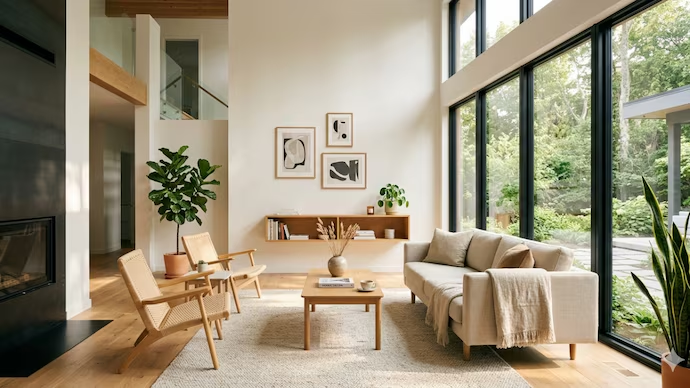
Creating a home is no longer just about aesthetics. Today, it is about flexibility, comfort, and long term usability. As lifestyles shift due to work patterns, family needs, and personal growth, living spaces must adapt alongside these changes. A well designed home is not static. It grows with you, adjusts to your routine, and supports your evolving priorities.
Many people today follow trends like checking the dear lottery live result in the morning or staying updated with digital habits, which reflects how dynamic daily routines have become. Your home should reflect that same adaptability rather than remain fixed in one design phase.
Understanding Lifestyle Changes
Life rarely stays the same. A single person may later need space for a family. A work from home setup might become essential. Even hobbies can change how rooms are used. Designing with flexibility in mind ensures your home can support these transitions without requiring constant renovations.
For instance, a spare room can serve as a home office today and a guest bedroom tomorrow. Multi purpose spaces help you stay prepared for change without sacrificing comfort or style.
Smart Layout Planning
One of the most effective ways to design adaptable spaces is through thoughtful layout planning. Open floor plans allow rooms to serve multiple functions. Instead of rigid walls and fixed layouts, consider movable partitions or modular furniture that can be rearranged easily.
Just as platforms like e pds bihar gov in organize information efficiently for easy access, your home layout should also prioritize organization and flow. Clear pathways, functional zoning, and flexible arrangements make a space more usable over time.
Furniture That Grows With You
Furniture plays a crucial role in adaptable design. Investing in modular or convertible pieces allows you to modify your space without major changes. Sofa beds, extendable dining tables, and foldable desks are excellent examples.
These choices are especially useful in smaller homes where space is limited. Instead of overcrowding a room, flexible furniture lets you switch between functions effortlessly. This approach ensures your home remains practical even as your needs change.
Technology Integration in Modern Living
Technology has become a central part of modern homes. From smart lighting to automated temperature control, integrating technology can make your space more responsive to your lifestyle.
Staying updated with india cricket news or streaming content has become part of everyday living. Designing spaces with proper wiring, charging stations, and media setups ensures that your home supports these habits seamlessly.
A well integrated tech setup reduces clutter and enhances convenience, making your home future ready.
Personalization Without Permanence
While it is important to personalize your home, it is equally important to avoid permanent decisions that limit flexibility. Instead of fixed decor elements, choose items that can be easily replaced or updated.
Wall art, textiles, and accessories can transform a room without requiring structural changes. Even something playful like adding decor inspired by pig puns can bring personality into a space without long term commitment.
This balance allows your home to reflect your personality while remaining adaptable to future preferences.
Creating Emotional Comfort
A home is not just about physical space. It is also about emotional comfort. Spaces should support relaxation, creativity, and connection. Lighting, color schemes, and textures all contribute to how a space feels.
Inspiration from creative platforms like Writeshayari often highlights the importance of emotion and expression. Similarly, your home should evoke a sense of belonging and comfort that evolves with your experiences.
Planning for the Future
Designing an adaptable home also means thinking ahead. Consider future needs such as aging, family expansion, or career changes. Features like wider doorways, extra storage, and flexible rooms can make a big difference later.
Sustainability is another important factor. Choosing durable materials and timeless designs ensures your home remains relevant for years to come.
Conclusion
Designing spaces that evolve with your lifestyle is about foresight, flexibility, and thoughtful planning. By focusing on adaptable layouts, multifunctional furniture, and smart technology, you can create a home that grows with you.
Instead of chasing trends, prioritize designs that support your daily life and future changes. A truly successful space is one that continues to serve you, no matter how your lifestyle evolves.