
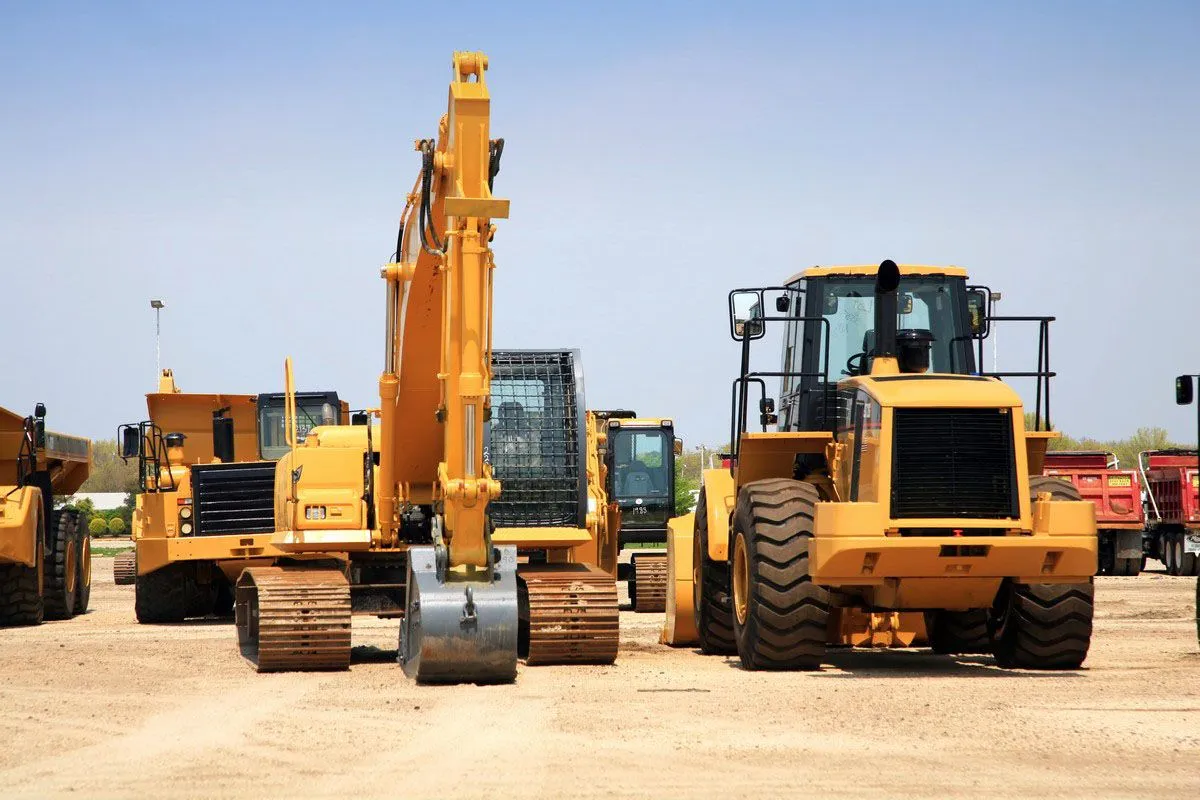
Construction projects rarely follow a single type of task from beginning to end. Instead, they move through multiple stages that require different tools and machinery. From site preparation and excavation to structural work and finishing tasks, each phase demands equipment designed for specific functions. Flexible heavy equipment rentals offer contractors the ability to access the right machines at the right time without the burden of maintaining a large permanent fleet. This flexibility helps construction companies manage resources efficiently while maintaining productivity across all stages of a project. Contractors often rely on Volvo excavators for rent in Chesapeake when they need dependable digging equipment during the early stages of site preparation.
Supporting Early Site Preparation
The earliest stage of a construction project often involves clearing land, removing debris, and preparing the ground for development. These activities require machines capable of handling earthmoving and grading tasks.
Flexible equipment rentals allow contractors to obtain machines suited to these initial operations without long-term ownership commitments. Once the site preparation phase is completed, contractors can return the equipment and transition to the next stage of construction with different machinery better suited to the upcoming tasks.
Adapting To Changing Project Requirements
Construction projects frequently evolve as work progresses. Adjustments to design plans, site conditions, or engineering requirements may create the need for additional machinery or different types of equipment.
Flexible rental options allow contractors to adapt quickly to these changes. Instead of being limited by the equipment they own, contractors can access machines that match updated project needs. This adaptability helps maintain efficiency when construction conditions shift unexpectedly.
Managing Equipment For Structural Development
During the structural stage of a project, construction teams often require machinery that can handle lifting, positioning materials, and supporting assembly tasks. These operations demand reliable equipment designed to manage heavy loads and precise placement.
Flexible rental solutions allow contractors to secure the appropriate machinery for structural work when it becomes necessary. Once structural tasks are completed, the equipment can be returned, allowing contractors to move forward without maintaining machines that are no longer needed.
Reducing Idle Equipment Between Phases
Owning a large fleet of machinery can sometimes lead to situations where equipment remains unused during certain phases of a project. Idle equipment still requires storage, maintenance, and financial investment even when it is not actively being used.
Flexible rentals help contractors avoid this issue. Machines can be rented only for the duration of the tasks they support, reducing the burden of maintaining equipment that is not currently required on site.
Supporting Specialized Project Tasks
Some construction phases involve highly specialized tasks that require equipment not commonly used in everyday operations. Purchasing such machinery for occasional use may not be practical for many contractors.
Rental services allow contractors to access specialized equipment for specific project stages. This access ensures that teams have the tools necessary to complete complex tasks without committing to long-term ownership of rarely used machines.
Helping Contractors Maintain Budget Control
Budget management is an important aspect of construction planning. Purchasing equipment can require significant capital investment, especially for machines used only during certain stages of a project.
Flexible rentals allow contractors to allocate resources more efficiently. By renting equipment when it is needed and returning it when tasks are completed, companies can manage their budgets more effectively while maintaining operational capabilities.
Improving Worksite Efficiency
Having the right machinery available at each stage of construction contributes to smoother operations on the job site. Workers can do jobs more quickly and precisely when they have equipment that meets the needs of each phase.
Flexible rental options ensure that contractors can always access machinery suited to current worksite activities. This support helps maintain a consistent workflow throughout the entire project lifecycle.
Encouraging Strategic Equipment Planning
Contractors who use flexible rental solutions often develop more strategic approaches to equipment planning. Instead of relying on a fixed fleet of machines, they evaluate project requirements and obtain equipment that aligns with each phase of construction.
This strategic approach helps construction companies operate more efficiently while maintaining the flexibility needed to handle diverse project demands.
Conclusion
Flexible heavy equipment rentals provide valuable support for contractors managing projects that involve multiple stages. By allowing access to specialized machinery when needed, reducing idle equipment, and helping companies adapt to changing project requirements, rental solutions improve efficiency throughout the construction process. Contractors benefit from the ability to match equipment with specific tasks, ensuring that each stage of the project is supported by the right machinery. This flexibility ultimately contributes to smoother operations and successful project completion.