
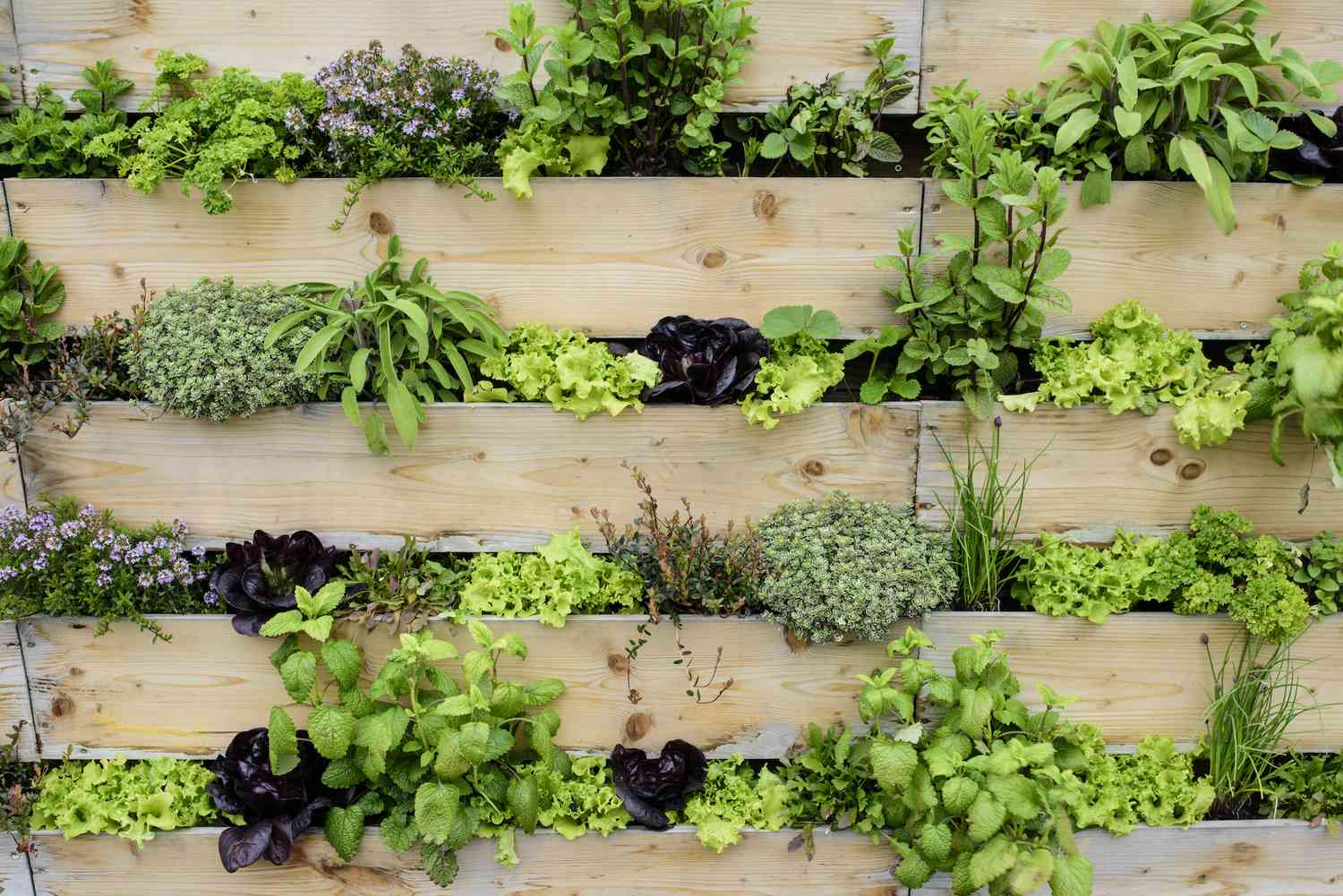
Urban living often comes with limited space, which can make gardening seem like an impractical hobby. However, with the rise of vertical gardening, it’s easier than ever to transform small urban spaces into lush green sanctuaries. Vertical gardens are an innovative way to utilize vertical space, allowing you to grow plants without taking up valuable floor area. Whether you live in an apartment, townhouse, or small home, building a DIY vertical garden is a rewarding and efficient way to add greenery to your environment.
Why Choose a Vertical Garden?
Before diving into how to build a vertical garden, it’s essential to understand why this approach is ideal for urban spaces. Urban areas often suffer from a lack of greenery, contributing to issues like air pollution, limited biodiversity, and heat island effects. Vertical gardens can improve air quality, help regulate temperature, and provide aesthetic value in a compact, space-saving form.
Vertical gardens also offer other benefits such as increased privacy, sound insulation, and even fresh produce if you grow edible plants. Plus, they’re highly customizable and allow you to experiment with different designs, plants, and materials.
Step 1: Choose the Right Location
The first step in creating your vertical garden is selecting the right spot. Choose a location that receives adequate light for the plants you want to grow. Most plants thrive in areas with indirect sunlight, but some require more direct exposure.
If you’re placing your vertical garden indoors, make sure the spot gets enough light from windows or consider using grow lights. For outdoor gardens, a wall or balcony railing facing the sun will be ideal. Keep in mind the space’s accessibility for watering, maintenance, and plant care.
Step 2: Select Your Vertical Garden Design
There are several design options for building a vertical garden, depending on your aesthetic preference and space limitations. Some popular designs include:
- Wall Planters: Wall-mounted planters, such as hanging pots or pocket planters, are a simple and effective option. You can use ready-made wall racks or create your own using shelves, crates, or wooden pallets.
- Trellises and Climbers: If you’re looking to grow climbing plants like ivy, peas, or tomatoes, a trellis system is ideal. A vertical trellis can be easily mounted to a wall or freestanding, supporting plants as they grow upwards.
- Vertical Plant Towers: A plant tower is a tiered structure that allows you to grow multiple plants in small sections. You can build a tower using PVC pipes, wooden frames, or repurposed materials.
- Hanging Planters: Hanging baskets or pots can be suspended from the ceiling or a sturdy beam. This design works well for plants that cascade down, such as ferns or strawberries.
Step 3: Gather Materials
Depending on the design you’ve chosen, you will need specific materials. Some common materials include:
- Wooden pallets or crates: These can be used for creating plant shelves or as the base for wall-mounted planters.
- Plant containers or pots: You’ll need containers to house your plants. These can be store-bought or homemade from recycled materials like plastic bottles or old cans.
- Trellis or wire mesh: Ideal for supporting climbing plants.
- Screws, hooks, or nails: These will help you secure the structure to your wall or mounting surface.
- Soil and plants: Choose soil suited to the plants you plan to grow. Consider plants like herbs, leafy greens, succulents, or flowers for your garden.
Step 4: Assemble Your Vertical Garden
Now that you have your materials, it’s time to assemble your vertical garden. The steps will vary based on the design, but here’s a general guide:
- Prepare your base: If you’re using pallets or crates, arrange them to form the desired structure. Secure them in place with screws or nails. For trellises, attach the mesh to a wooden frame or directly to the wall.
- Install your planters: Attach your pots, containers, or wall planters to the base. Make sure they’re stable and secure, ensuring they won’t fall or tip over under the weight of the soil and plants.
- Fill with soil: Add soil to the containers or pallets, making sure it’s level and suitable for the plants you’re growing.
- Plant your garden: Gently place your chosen plants in the containers, making sure they’re spaced adequately to allow for growth. Water the plants well once they’re planted.
- Mount or hang the garden: If your design is wall-mounted, carefully secure the structure to the wall. If you’re using hanging planters, make sure they’re hung securely and are easily accessible for watering.
Step 5: Care for Your Vertical Garden
Once your garden is set up, it’s essential to maintain it. Water your plants regularly, ensuring the soil stays moist but not waterlogged. Depending on the plants, you may need to fertilize them occasionally. Keep an eye out for pests and diseases, and remove dead leaves to encourage healthy growth.
In addition to regular care, check the structural integrity of your vertical garden. Ensure the planters remain secure, and adjust watering schedules based on the changing seasons.
Conclusion
Building a DIY vertical garden is a fantastic way to bring greenery into small urban spaces. By choosing the right location, materials, and plants, you can create a beautiful and functional vertical garden that enhances your living environment. Not only does it add aesthetic value, but it also helps improve air quality and can even provide fresh herbs or vegetables. With some creativity and a little effort, you can transform your urban space into a green oasis.
Here are some helpful resources to explore :
https://wordtaps.com/
https://heatheninc.com/
https://vstorekids.com/
https://mundoadministrativo.net/
https://aguidetravel.com/
https://onlinebuymarijuana.com/
https://tnanews.net/
https://janewashere.co.uk/
https://hotelsinvalencia.org/
https://topholidays.net/
https://zbusoft.com/
https://triltechnology.net/
https://homelessinformation.com/
https://cadhomeplan.com/
https://marcospitbullhome.com/
https://polynews.org/
https://healthylivingindia.org/
https://thenewstime.net/
https://promopoker.net/
https://refinance-student-loans.org/
https://cityp.org/
https://oldpathshomesteading.com/
https://newsetmoto.com/
https://aboutfinancetoday.com/
https://homesandbenefits.com/
https://geotheatre.org/
https://firstpresbyterianpreparatoryschool.org/
https://homesbyelva.com/
https://askdrhealth.com/
https://thefashionstyle.org/