
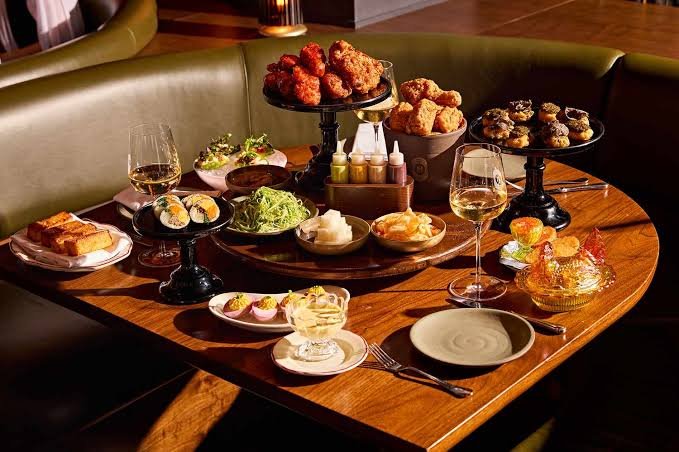
Modern lives now revolve around dining and shopping, which have an impact on how individuals use their leisure time, interact with others, and engage with their communities. While shopping centers provide much more than just retail convenience, restaurants are no longer only places to eat meals. When combined, they provide friendly spaces where people may mingle, discover new things, and take pleasure in routine tasks. The integration of dining, shopping, and entertainment is becoming more crucial in creating appealing neighborhoods as cities grow.
The Increasing Relationship Between Eating And Living
Destinations that provide a variety of experiences in one handy area are valued by modern customers. People are increasingly choosing places where eating, shopping, and entertainment are conveniently located rather than commuting separately for these purposes.
The attractiveness of eating alternatives in burgeoning residential and business districts is reflected in the rising popularity of restaurants InterQuest Colorado Springs. Having eateries close to retail centers adds convenience and diversity to people’s routines, whether they are organizing weekend excursions, family meals, or informal lunches. This combination encourages individuals to support local businesses and spend more time exploring their areas.
Restaurants As Locations For Social Interaction
Restaurants are crucial for fostering community cohesion. In addition to providing food, they provide cozy spaces where coworkers congregate outside of their offices, families celebrate important events, and friends get together.
Diverse eating settings satisfy a range of tastes. While family restaurants provide friendly settings for group meals, casual cafés offer laid-back areas for chats. During favorable weather, restaurants with outdoor seating may also provide fun opportunities for social contact.
The character of a neighborhood is shaped by these encounters. Dining businesses contribute to the development of stronger community ties and a stronger feeling of belonging among locals when they become well-known meeting spots.
Places To Shop That Provide More Than Just Retail
From typical groupings of retailers, shopping complexes have seen significant change. Convenience, appealing surroundings, and experiences that entice customers to remain longer are increasingly prioritized in contemporary retail places.
Everyday necessities, specialized shops, personal services, and restaurants may all be found in a well-planned shopping center. Visitors may enjoy leisure activities while doing regular errands thanks to this diversity.
For instance, a person shopping for needs for the home could also stop for coffee or have lunch with friends. These encounters turn routine shopping excursions into chances for leisure and social interaction.
Attractive outdoor areas, cozy seats, and accessible paths may all enhance the overall tourist experience.
Convenience’s Significance In Residential Communities
One of the most important aspects of a well-connected community is convenience. Communities that provide recreational activities and necessary services close to their homes are often preferred by the locals.
Long excursions may be avoided by having nearby eateries and shopping centers, which makes daily tasks simpler to do. Residents may access retail services without having to make elaborate travel plans; professionals can discover quick lunch alternatives, and families can enjoy impromptu eating experiences.
Additionally, this accessibility encourages a more adaptable way of living. Instead of planning a whole day for eating or shopping, people may organize these activities organically into their routines.
Developing Dynamic Neighborhood Experiences
The ambiance of nearby neighborhoods is influenced by successful restaurants and retail establishments. Visitors may be encouraged to explore their surroundings via appealing shops, hospitable eateries, pedestrian-friendly locations, and well-thought-out meeting places.
Additionally, these settings provide local companies the chance to build closer contacts with their clientele. While merchants may draw more customers via surrounding eateries, restaurants profit from the shopping activity in the area.
When these companies work well together, they contribute to the creation of locations that are lively at various times of the day.
Integrated Dining And Shopping’s Future
The interaction between eateries, retail establishments, and residential areas will probably become even more important as lifestyle choices change. Destinations that mix comfort, accessibility, and chances for meaningful experiences are becoming more and more popular.
Walkability, outdoor meeting areas, and a variety of food alternatives could be given more importance in future buildings. Communities that benefit from both practical convenience and recreational opportunity might benefit from these traits.
Conclusion
The quality of daily life is greatly enhanced by eateries and retail establishments. Convenience, amusement, and deep social relationships are all made possible by their combination. Communities that carefully combine residential, commercial, and eating areas may provide more interesting settings where residents can enjoy hanging out, exploring local businesses, and forming enduring connections with one another.