
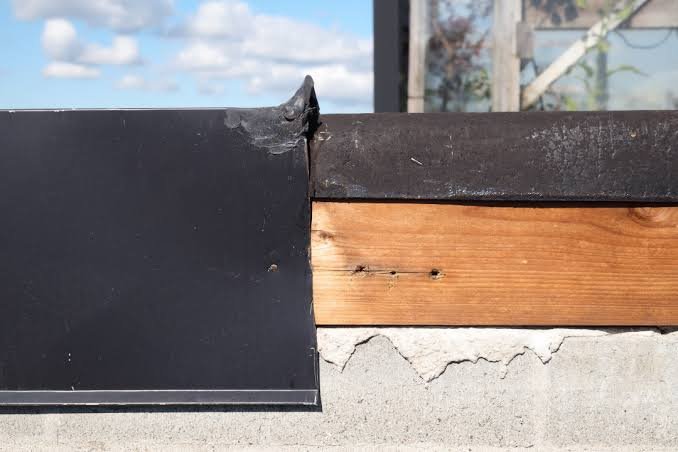
Commercial roofing systems depend on several components working together to protect buildings from moisture, temperature changes, and environmental damage. While roofing membranes receive considerable attention during inspections, flashing is equally important for preventing water intrusion. Flashing protects vulnerable areas where roofing materials connect with walls, vents, skylights, and other structural features. When these protective connections deteriorate, water can enter the building and create problems that extend far beyond the roof itself.
Understanding the causes of flashing failures, recognizing early warning signs, and implementing appropriate repair strategies can help commercial property owners maintain reliable roofing systems while avoiding unnecessary expenses.
The Purpose of Commercial Roof Flashing
Roof flashing consists of specially designed materials installed around joints, transitions, and penetrations where water infiltration is more likely. These materials create protective barriers that direct moisture away from vulnerable roofing areas and prevent it from reaching underlying building components.
Commercial buildings commonly use metal flashing, flexible membrane flashing, and specialized waterproofing materials. The appropriate material depends on the roofing system, building design, and environmental conditions. Flashing is particularly important around rooftop equipment, parapet walls, drainage openings, and expansion joints.
When properly installed and maintained, flashing supports the overall waterproofing performance of commercial roofs. However, damaged or poorly secured flashing can compromise an otherwise functional roofing system.
Common Causes of Commercial Roof Flashing Failures
Several factors contribute to flashing deterioration in commercial buildings. One of the most common is repeated thermal expansion and contraction. Roofing materials expand during warmer temperatures and contract when temperatures decrease. Over time, this movement can weaken flashing connections, loosen fasteners, and create openings.
Improper installation is another significant concern. Flashing that lacks sufficient overlap, secure attachment, or compatible sealing materials may fail prematurely. Poor workmanship around complicated roof penetrations can leave vulnerable areas exposed to moisture.
Environmental conditions also contribute to deterioration. Strong winds, heavy precipitation, accumulated debris, and prolonged sunlight exposure can damage flashing materials. Metal flashing may experience corrosion, while flexible materials can become brittle or separate from adjoining surfaces.
Property owners experiencing recurring leaks should consider consulting a commercial roof repair company in Denver to evaluate flashing conditions and identify weaknesses before they cause extensive damage.
Flashing Locations Most Vulnerable to Water Intrusion
Certain areas of commercial roofs experience greater exposure to moisture and structural movement. Parapet walls are particularly vulnerable because flashing must create a continuous waterproof connection between horizontal roofing surfaces and vertical walls.
Rooftop HVAC units also require careful attention. Equipment curbs and surrounding penetrations introduce multiple joints that must remain properly sealed. Vibration, maintenance activities, and natural building movement can gradually weaken these connections.
Skylights, ventilation pipes, and roof access structures create additional opportunities for water intrusion. Flashing around these features must accommodate different materials while maintaining reliable protection.
Drainage systems represent another critical area. Flashing near roof drains and scuppers can deteriorate when standing water, debris accumulation, or improper drainage places additional stress on waterproofing connections.
Warning Signs That Indicate Flashing Problems
Flashing failures do not always produce immediate or obvious leaks. In many cases, moisture enters gradually and remains concealed within insulation or structural components.
Visible warning signs include loose flashing edges, separated seams, damaged sealants, corrosion, and missing fasteners. Interior indicators may include ceiling discoloration, damp insulation, peeling paint, and unusual moisture accumulation near walls.
Recurring leaks following heavy rainfall can also suggest flashing defects. However, water may travel along structural surfaces before becoming visible indoors, making the actual entry point difficult to identify.
Routine inspections help property managers recognize these warning signs early. Identifying minor defects before moisture spreads can significantly reduce repair complexity and associated costs.
Structural and Financial Consequences of Water Intrusion
Water intrusion through damaged flashing can affect multiple building systems. Moisture entering roof insulation may reduce thermal performance and increase heating or cooling demands. Prolonged exposure can also weaken roofing materials and accelerate deterioration.
Interior finishes, electrical components, and stored equipment may suffer damage when leaks remain unresolved. In commercial facilities, moisture problems can interrupt operations, damage inventory, and create additional maintenance requirements.
Persistent dampness may also encourage microbial growth, particularly in concealed spaces with limited ventilation. These conditions can complicate restoration efforts and increase the overall cost of addressing roofing problems.
Early flashing repairs are generally more manageable than extensive restoration involving saturated insulation, damaged decking, and interior building materials.
Effective Repair Methods for Damaged Roof Flashing
Appropriate flashing repairs depend on the material, location, and severity of deterioration. Minor defects may be addressed through compatible sealants, reinforced membrane patches, or replacement of damaged fasteners.
More extensive failures may require removing deteriorated flashing and installing new components. Repairs should restore continuous waterproofing while allowing appropriate movement between connected building materials.
A qualified commercial roof repair company in Denver can assess whether localized repairs are sufficient or whether broader flashing replacement is necessary. Professional evaluations can also identify underlying drainage or installation problems contributing to repeated failures.
Preventive Maintenance for Long-Term Flashing Performance
Preventive maintenance plays an important role in protecting commercial roof flashing. Regular inspections should examine seams, attachment points, penetrations, and transitions for signs of movement or deterioration.
Keeping drainage systems clear helps prevent standing water from placing unnecessary pressure on vulnerable connections. Property managers should also schedule inspections after significant storms or rooftop equipment modifications.
Documenting inspection findings and completed repairs provides valuable information for future maintenance planning. Consistent monitoring allows building owners to address developing problems before they become expensive emergencies.
Conclusion
Commercial roof flashing serves as an essential defense against water intrusion, particularly around structural transitions and rooftop penetrations. When flashing deteriorates, even small openings can allow moisture to compromise insulation, interior finishes, and building components.
Recognizing warning signs, addressing installation defects, and maintaining a consistent inspection schedule can help property owners protect their investments. Timely repairs and preventive maintenance support reliable roofing performance while reducing the likelihood of disruptive water damage.