
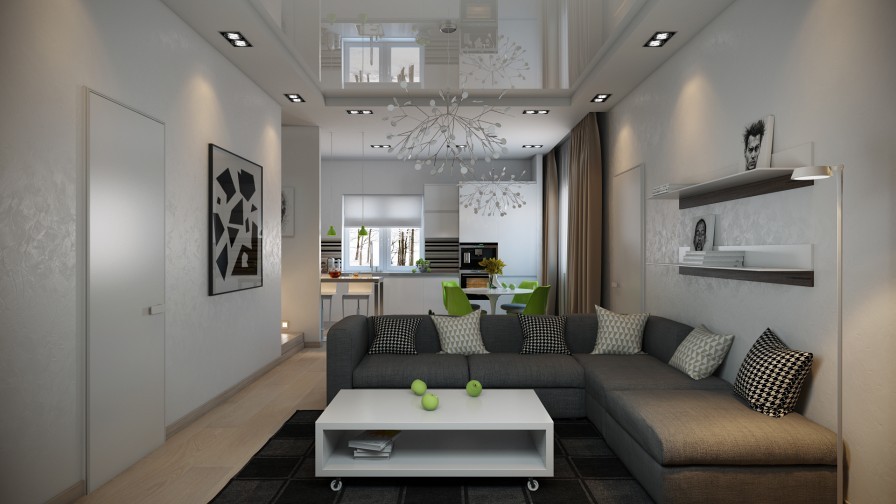
Homes often contain more usable space than their occupants realize. While attention naturally goes toward larger rooms, open walls, and central furniture arrangements, corners frequently remain empty or become places where miscellaneous belongings accumulate. With thoughtful planning, these overlooked areas can serve practical purposes without requiring major renovation or additional square footage.
Making better use of corners is particularly valuable in smaller homes, apartments, and properties where every available area matters. Even in larger houses, purposeful corner design can improve organization, comfort, and the overall flow of a room.
Turning Empty Corners Into Functional Zones
An empty corner does not necessarily need elaborate furniture or expensive construction to become useful. A compact desk can transform an overlooked section of a bedroom or living room into a workspace. A comfortable chair and a small table can create a reading area, while floating shelves can provide storage without occupying much floor space.
The key is identifying what the household actually needs. This principle of matching available resources with practical requirements can be seen in many areas of everyday life, including digital resources such as https://udyamiyojana.org, where people may look for information relevant to particular needs. Within the home, the same practical mindset can help residents determine whether an unused corner would be more valuable for working, storing, relaxing, or displaying belongings.
Creating a Compact Home Office
Remote work and flexible schedules have increased demand for dedicated work areas. However, not every home has a spare room that can become an office. An unused corner can provide an effective alternative.
A narrow desk, supportive chair, task lighting, and a small wall shelf may be enough to establish a defined workspace. Keeping the setup visually separate from nearby relaxation areas can also make it easier to distinguish between work time and personal time.
Digital systems have similarly made it possible to complete many tasks without visiting physical offices. A user might access platforms associated with services or administrative processes through systems such as stslogin. In much the same way, a thoughtfully arranged corner can support online work, study, document management, and other computer based activities from home.
Building Smarter Storage Into Difficult Spaces
Storage is one of the most practical uses for neglected corners. Standard cabinets and furniture do not always fit these spaces efficiently, but corner specific solutions can make a considerable difference.
Triangular shelves, tall cabinets, baskets, and custom shelving can use vertical and horizontal space that would otherwise remain empty. In kitchens, corner shelving can hold frequently used ingredients or cookware. Bedrooms can benefit from compact wardrobes, while entryway corners can accommodate shoes, bags, and everyday accessories.
Organization becomes particularly useful when households need to keep important documents accessible. Records associated with government programs, for example, may need to be checked alongside resources such as the Pm Kisan Status Portal. A dedicated home filing corner can provide one place for property papers, financial documents, identification records, and other important household information.
Making Property Related Tasks Easier
A small corner can also function as a household administration station. Property ownership often involves bills, maintenance records, insurance documents, tax information, warranties, and land related paperwork. Instead of allowing these materials to spread across drawers and cupboards, homeowners can establish one organized location for them.
Digital access has simplified some aspects of property information as well. Depending on the relevant jurisdiction, people may use services such as the Mee Bhoomi Official Website when seeking certain land related information. Keeping digital and physical property records organized in one dedicated area can make future reference much easier.
A compact cabinet, document organizer, charging station, and laptop space may be all that is required. This transforms an otherwise forgotten corner into a practical household management center.
Adding Comfort Without Creating Clutter
Not every useful corner needs to focus on productivity. Some spaces become valuable simply because they improve comfort. A corner beside a window can become a quiet place for reading, drinking coffee, listening to music, or enjoying natural light.
Plants can also bring neglected areas to life. Tall indoor plants are especially effective because they occupy vertical space while adding visual interest. A floor lamp can provide warmth in darker corners, while a small bench can introduce extra seating without dominating the room.
The goal should be purposeful simplicity. Filling every empty corner with furniture can make a home feel crowded rather than efficient.
Keeping Household Information Organized
One particularly practical idea is to establish a small information center for the household. This might include a calendar, folders for bills, a notice board, device chargers, and storage for documents that need attention.
When accessing any government service online, residents should make sure they are using the appropriate official portal and verify the web address before entering personal information. A dedicated administrative area can encourage better habits by keeping necessary documents and digital tasks organized in one location.
Small Spaces Can Create Meaningful Value
Valuable home improvements do not always require expanding rooms or undertaking major remodeling projects. Sometimes, improving the way existing space is used can have an equally meaningful effect.
An empty corner can become a workstation, reading retreat, storage area, household administration center, or decorative feature. What matters most is choosing a purpose that responds to the daily needs of the people living in the home.
When overlooked spaces are approached with creativity and practicality, even a few unused feet can contribute to a more organized and comfortable environment. A home becomes more functional not simply by having more space, but by making thoughtful use of the space that is already available.