
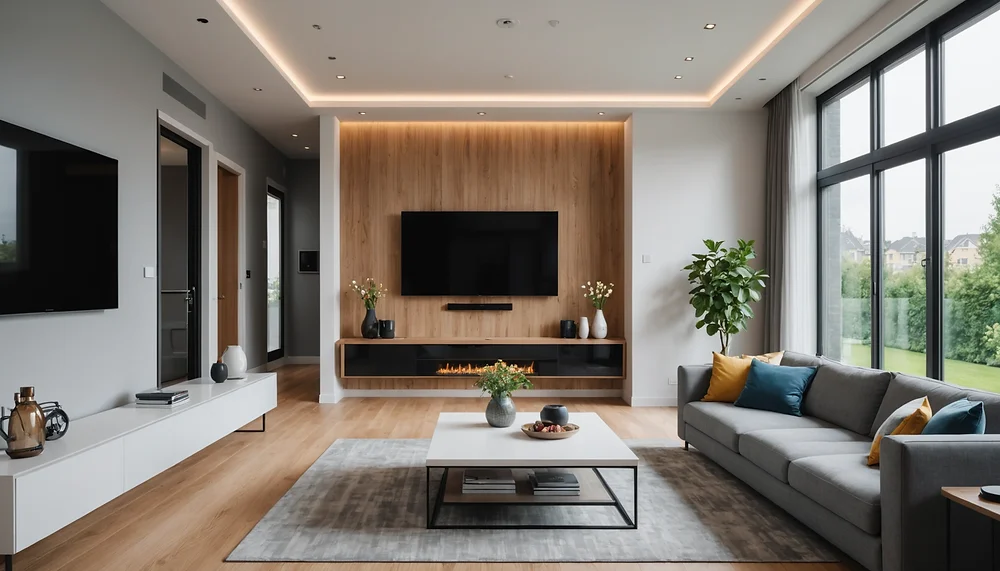
Modern homes are often associated with smart devices, automation systems, and endless connectivity. While technology has undoubtedly improved convenience, there is a growing realization that too much of it can feel overwhelming. Smart living today is no longer about filling every corner with gadgets but about creating a balanced environment where technology supports life without dominating it. A new approach to modern homes focuses on simplicity, intentional design, and mindful use of technology. It is about choosing what truly adds value and eliminating what creates noise.
Redefining Smart Living
Smart living does not mean having the latest device in every room. Instead, it means using technology in ways that genuinely improve daily routines. A smart home should reduce stress, save time, and enhance comfort rather than create constant distractions.
For example, a simple lighting system that adjusts brightness based on time of day can have a bigger impact than multiple complex systems that require constant management. The goal is to make technology feel invisible yet effective.
Interestingly, the idea of balance can be compared to platforms like sewayojan up nic in, where systems are designed to simplify processes rather than complicate them. Homes should follow a similar philosophy.
The Power of Minimal Technology
One of the biggest shifts in modern home design is the move toward minimal technology. Instead of installing multiple smart devices, homeowners are focusing on a few essential tools that provide maximum benefit.
Smart thermostats, automated lighting, and basic security systems are often enough to create a functional smart home. Adding too many devices can lead to confusion, maintenance issues, and even reduced efficiency.
Minimal technology also encourages people to stay more present. Without constant notifications and alerts, the home becomes a place of relaxation rather than digital overload.
Designing for Calm and Clarity
A modern home should feel peaceful. Design plays a major role in achieving this. Clean layouts, natural materials, and soft lighting can create a calming atmosphere that technology alone cannot provide.
Incorporating elements like indoor plants, neutral color palettes, and open spaces helps reduce visual clutter. Even decorative choices such as a simple arabic mehndi design pattern on textiles or wall art can add beauty without overwhelming the space.
When design and technology work together, the result is a home that feels both functional and emotionally satisfying.
Intentional Use of Digital Tools
Technology should serve a purpose in every room. Instead of installing devices everywhere, it is better to evaluate where they are truly needed.
For instance, a smart speaker in the living room may enhance entertainment, while a device-free bedroom can improve sleep quality. Kitchens can benefit from smart appliances, but they should not become overly complicated.
Some homeowners even adopt digital boundaries by setting specific times for device usage. This approach ensures that technology remains a tool rather than a constant presence.
In the same way that online platforms like https://drawaperfectcirclegame.com are designed for focused interaction, home technology should also have a clear and limited purpose.
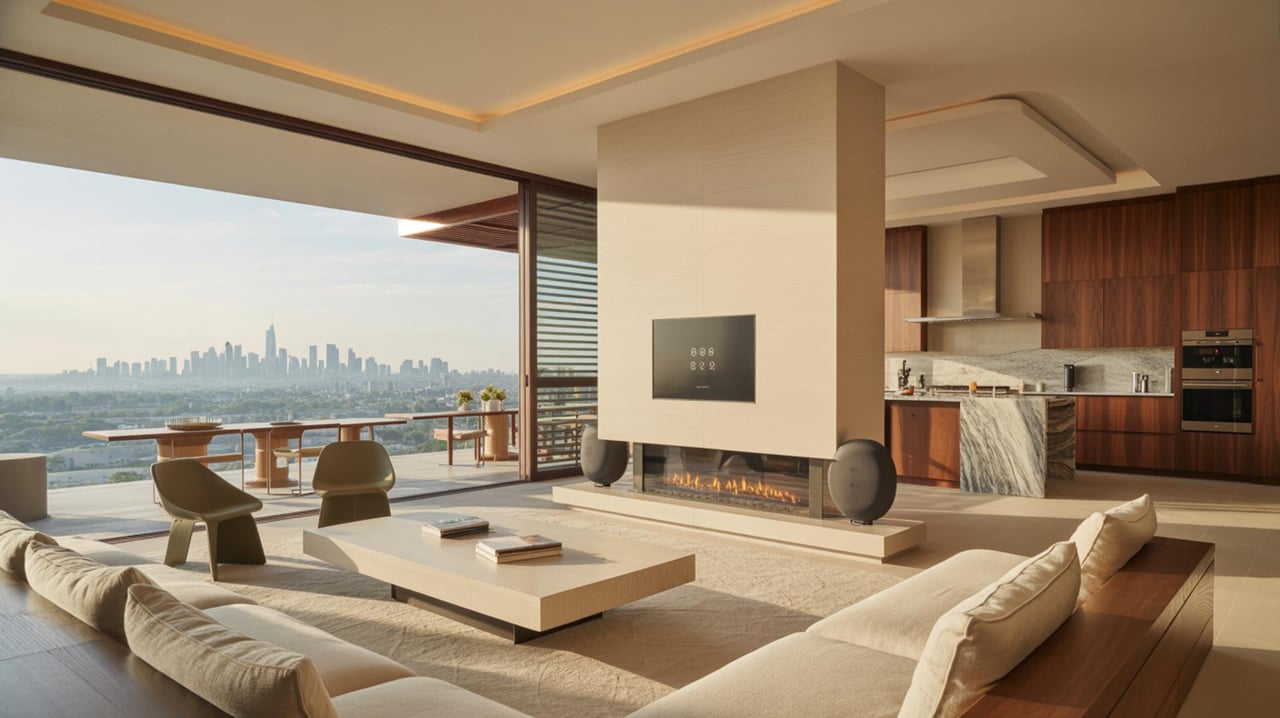
Creating Tech Free Zones
One of the most effective ways to avoid tech overload is by creating areas in the home where devices are not allowed. Bedrooms, dining areas, or reading corners can become spaces dedicated to relaxation and connection.
These zones encourage meaningful conversations, better sleep, and improved mental well being. They also help individuals disconnect from the digital world and reconnect with themselves and their surroundings.
A home that includes both smart areas and tech free zones offers the best of both worlds.
Balancing Connectivity and Privacy
With increased use of smart devices comes the need to consider privacy and security. Many homeowners are now more cautious about how much data their devices collect.
Choosing trusted systems and limiting unnecessary connectivity can help maintain privacy. It is also important to regularly update devices and use secure networks.
Platforms like www.anfieldedition.net show how digital experiences can be engaging without being intrusive. Homes should aim for a similar balance where connectivity enhances life without compromising personal space.
Sustainable and Thoughtful Choices
Another important aspect of smart living is sustainability. Using energy efficient devices, reducing power consumption, and choosing eco friendly materials all contribute to a better living environment.
Smart homes can support sustainability by optimizing energy use, but only when implemented thoughtfully. Overuse of devices can actually increase energy consumption rather than reduce it.
Simple practices such as using natural light during the day and unplugging unused devices can make a significant difference.
Even in creative or digital spaces, such as those involving sfm complie, efficiency and simplicity are often more valuable than complexity. The same principle applies to home design.
The Future of Modern Homes
The future of smart homes is not about more technology but better technology. It is about systems that understand human needs and adapt quietly in the background.
Voice control, automation, and artificial intelligence will continue to evolve, but the focus will shift toward user friendly and non intrusive solutions. Homes will become more personalized, responding to individual preferences without requiring constant input.
At the same time, there will be a stronger emphasis on mental well being. Homes will be designed not just for convenience but for comfort, peace, and balance.
Conclusion
Smart living without tech overload is about making conscious choices. It is about selecting technology that adds value and designing spaces that support a calm and fulfilling lifestyle.
By focusing on simplicity, intentional use, and thoughtful design, modern homes can achieve a perfect balance between innovation and comfort. The result is a living space that feels smart, not because of how much technology it contains, but because of how well it supports everyday life.