
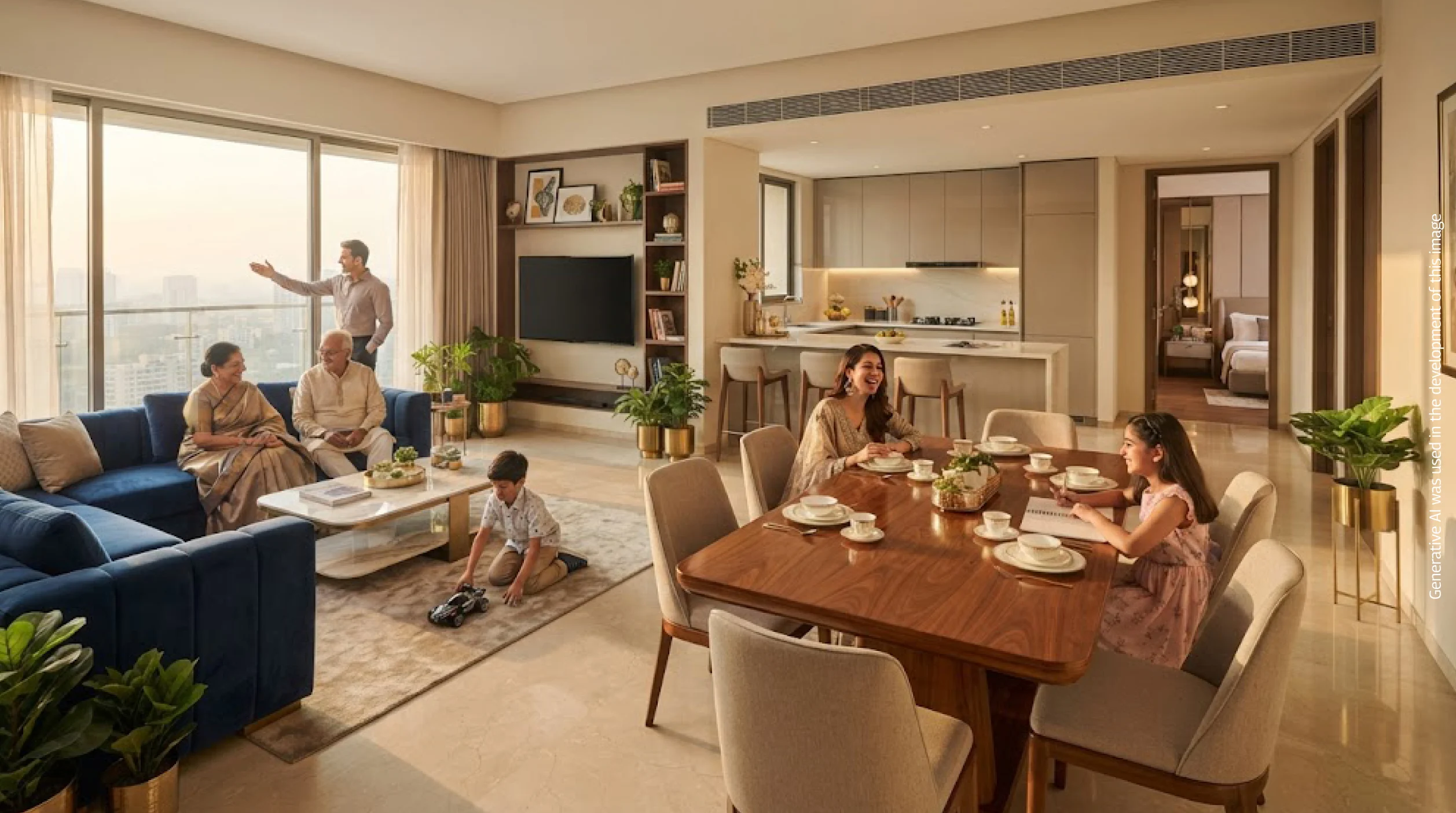
A home is much more than a place to sleep at the end of the day. It is where routines develop, families grow, careers evolve, and memories are created. As life changes, the spaces we live in should also adapt to support new priorities and responsibilities. Instead of constantly searching for a new house whenever circumstances shift, many homeowners are discovering the value of creating flexible living environments that can evolve over time.
A well planned home is designed with the future in mind. It balances comfort, functionality, and adaptability so that every stage of life feels supported without requiring major disruption.
Creating Flexible Spaces For Everyday Living
One of the biggest trends in modern home design is flexibility. Rooms are no longer assigned a single permanent purpose. A guest bedroom may also function as a home office, while a dining area can become a productive workspace during the day and return to family use in the evening.
This approach allows homeowners to respond to changing lifestyles without expensive renovations. Whether welcoming a growing family, supporting remote work, or creating space for hobbies, flexible layouts ensure that every square foot serves a meaningful purpose. Much like keeping property information organized through mee bhoomi fmb, maintaining a clear understanding of how each area functions helps homeowners make smarter decisions for the future.

Designing Around Long Term Comfort
Comfort extends beyond attractive furniture or stylish décor. It includes practical features that improve daily living for years to come. Natural lighting, effective ventilation, durable materials, and thoughtful storage all contribute to a home that remains enjoyable regardless of changing circumstances.
Long term comfort also means selecting finishes and layouts that remain timeless instead of chasing short lived trends. Neutral foundations allow homeowners to refresh their interiors with smaller updates while avoiding costly redesigns.
A home built around everyday convenience continues to provide value as family needs and personal preferences evolve.
Organizing Spaces That Grow With Your Needs
Storage plays a vital role in creating an adaptable home. As families expand or interests change, belongings naturally increase. Built in cabinets, modular shelving, and multi purpose furniture help prevent clutter while making it easier to adjust rooms for different uses.
Smart organization is not simply about keeping things tidy. It creates a more peaceful environment where every item has a designated place, reducing daily stress and improving efficiency.
Even when exploring unrelated information such as the Punjab state lottery, many people appreciate clear organization because it saves time and simplifies everyday tasks. The same principle applies to well designed living spaces.
Making Technology Work For You
Technology has transformed the modern home into a more responsive environment. Smart lighting, programmable climate control, security systems, and connected appliances provide convenience while improving energy efficiency.
The best technology solutions are those that quietly support daily routines without becoming complicated. They allow homeowners to customize settings according to changing schedules, helping the house adapt naturally as lifestyles evolve.
For individuals researching digital resources and online services, many homeowners also Visit Hkrnl and similar portals for educational or administrative purposes. This growing reliance on digital tools reflects how technology continues to influence both our homes and our daily lives.
Prioritizing Sustainable Choices
An evolving home should also support sustainable living. Energy efficient windows, quality insulation, water saving fixtures, and environmentally responsible building materials reduce long term operating costs while minimizing environmental impact.
Sustainability is not limited to major renovations. Small improvements such as replacing outdated lighting, selecting efficient appliances, or improving natural ventilation can collectively make a significant difference over time.
Choosing quality over quantity also means fewer replacements, reducing waste while maintaining the home’s overall value.
Planning For Future Life Changes
Life rarely follows a fixed path. Career opportunities, children, aging parents, retirement, or personal interests may all influence how a home is used over the years.
Planning ahead allows homeowners to prepare for these possibilities before they become immediate necessities. Wider walkways, adaptable bathrooms, convertible living areas, and accessible storage can all make future transitions smoother without sacrificing today’s comfort.
When researching home related information online, people often bookmark this page alongside other helpful resources that support long term planning and informed decision making.
Investing In A Home That Lasts
A truly valuable home is one that continues meeting your needs throughout different stages of life. Rather than focusing solely on appearance, homeowners benefit from investing in durable construction, practical layouts, and thoughtful improvements that remain useful for decades.
Regular maintenance also protects this investment. Inspecting roofing, plumbing, electrical systems, heating, cooling, and structural components helps prevent small issues from developing into expensive repairs.
Property owners frequently rely on various online references, including www.bhulekhuttarakhand.net, when looking for land related information, demonstrating how digital resources have become part of responsible property management.
Conclusion
Growing into a home that evolves with your lifestyle is about creating a living environment that changes alongside you instead of working against you. Flexible layouts, practical storage, sustainable improvements, smart technology, and thoughtful planning all contribute to a house that remains comfortable and functional through every stage of life. By making intentional decisions today, homeowners can build spaces that continue supporting their goals tomorrow. A home designed for adaptability becomes more than a physical structure. It becomes a lasting foundation for personal growth, changing priorities, and a better quality of life.