
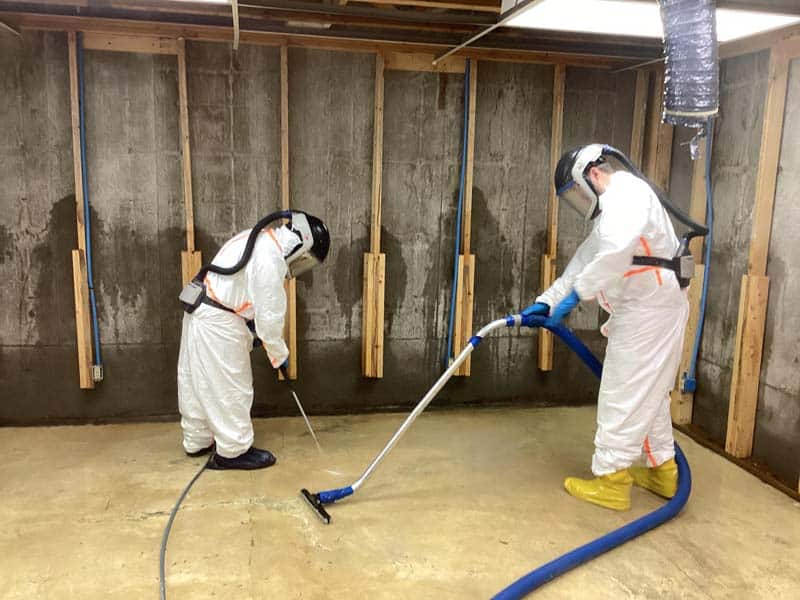
Flooding can happen without warning, whether from heavy rainfall, burst pipes, appliance failures, or natural disasters. While the visible water may seem like the biggest concern, the real damage often continues long after the water has stopped flowing. Delaying the response can lead to structural problems, mold growth, unpleasant odors, and expensive repairs. This is why water damage cleanup should begin as soon as it is safe to enter the affected property.
A prompt and organized cleanup process helps protect both the building and the people who live or work inside it. Acting quickly reduces long-term risks and makes the restoration process more manageable.
Water Can Spread Faster Than Expected
Floodwater does not remain in one place. It quickly travels through flooring, drywall, insulation, wooden framing, carpets, and furniture. Even areas that appear dry on the surface may contain hidden moisture beneath or behind building materials.
The longer water sits, the more opportunity it has to weaken structural components and damage valuable belongings. Immediate action helps limit how far moisture spreads and prevents additional areas from becoming affected.
Moisture Creates the Perfect Environment for Mold
One of the biggest reasons to begin water damage cleanup immediately is to reduce the risk of mold. Mold can begin developing within a short period when moisture remains trapped inside walls, flooring, or ceilings.
Once mold starts growing, it becomes much more difficult and costly to remove. In addition to damaging materials, mold may affect indoor air quality and create health concerns for occupants. Fast drying and moisture removal greatly reduce the likelihood of mold becoming a larger issue.
Structural Materials Can Deteriorate Quickly
Many construction materials absorb water. Drywall becomes soft, wooden flooring may warp, insulation loses effectiveness, and framing can weaken over time if moisture remains trapped.
Starting the cleanup process early allows professionals to remove standing water, dry structural materials, and identify components that require repair before the damage becomes more severe. Preserving these materials whenever possible can also lower overall restoration costs.
Personal Belongings Have a Better Chance of Being Saved
Furniture, electronics, clothing, family photographs, documents, and sentimental possessions often suffer during flooding. However, not every damaged item needs to be discarded.
A quick response improves the chances of cleaning, drying, and restoring many belongings before permanent damage occurs. The sooner items are removed from wet conditions, the greater the opportunity to preserve them.
Hidden Moisture Can Cause Long-Term Problems
Standing water is easy to identify, but hidden moisture presents a greater challenge. Water can collect beneath flooring, inside wall cavities, behind cabinets, and above ceilings without being immediately visible.
Professional equipment, such as moisture meters and thermal imaging tools, helps locate these hidden pockets of water. Removing unseen moisture prevents future issues such as odors, wood rot, peeling paint, and recurring mold growth.
Faster Cleanup Can Reduce Repair Costs
Property damage generally becomes more expensive the longer it is ignored. Materials that might have been dried and restored early may eventually require complete replacement after prolonged exposure to water.
Beginning water damage cleanup immediately often minimizes demolition, shortens restoration timelines, and reduces the overall financial impact. Early intervention is typically far more affordable than repairing widespread structural deterioration later.
Helps Restore a Safe Indoor Environment
Floodwater may contain dirt, bacteria, chemicals, or other contaminants depending on its source. Even clean water can become unsafe after sitting for an extended period.
Professional cleanup involves removing contaminated materials when necessary, disinfecting affected surfaces, thoroughly drying the property, and ensuring the indoor environment is safe for occupants to return. These steps provide greater confidence that hidden health hazards have been properly addressed.
Supports a Smoother Insurance Process
Many insurance providers encourage policyholders to take reasonable steps to prevent additional damage after a flood. Beginning cleanup promptly demonstrates that efforts were made to minimize losses.
Proper documentation, photographs, moisture readings, and records of the cleanup process can also help support insurance claims and provide a clearer picture of the property’s condition throughout restoration.
Conclusion
Flood damage extends well beyond what is visible on the surface. Moisture can spread rapidly, weaken building materials, damage valuable possessions, and create conditions for mold growth within a short time. Beginning water damage cleanup immediately helps limit these risks, protects the property’s structure, and increases the likelihood of successful restoration. Quick action not only saves time and money but also helps create a healthier, safer environment for everyone who depends on the property.