
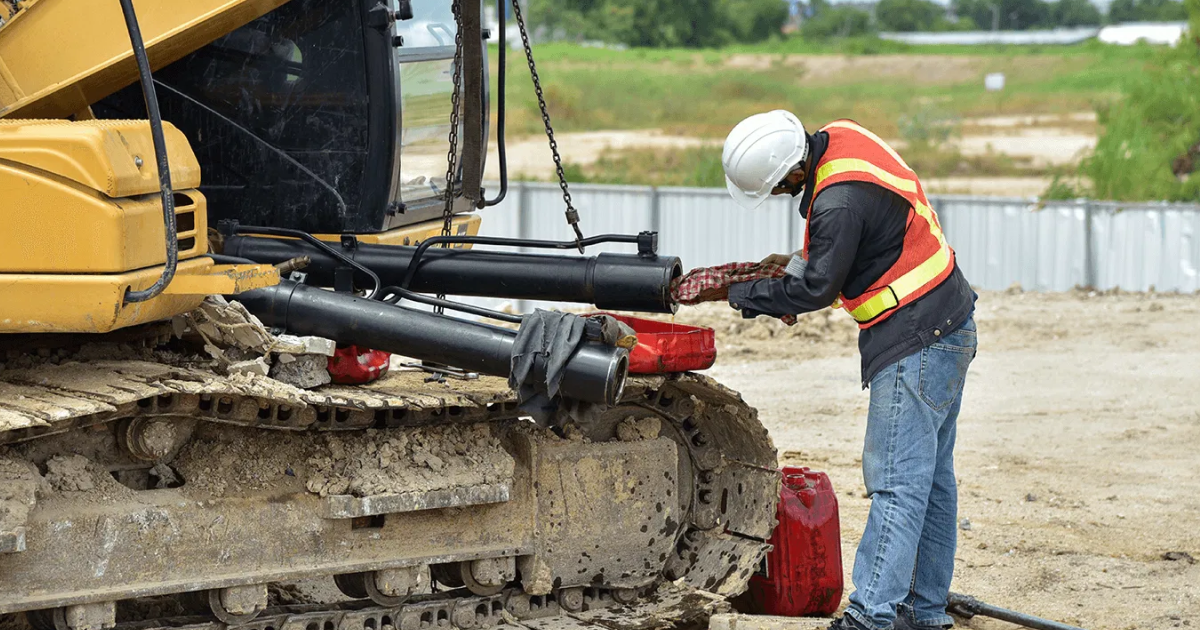
It is important to consider the investment of buying used or new equipment for your business. A proper inspection can save you money, time, and potential safety risks. If you buy from a private party or a construction dealer that you trust, knowing what you should look for will save you time and money. This guide provides a list of the most important steps to take when inspecting construction machinery before making a purchase decision.
Check The Overall State
Begin by doing a general visual check. Inspect the machine from all sides, looking for obvious damage. You should pay special attention to the frame or structural components, as they can be costly to repair. Poor storage can be indicated by fading or corroded paints, water damage, and corrosion. A machine that is well-maintained usually reflects a responsible owner.
Ask the construction equipment dealer to provide you with service and maintenance records. These documents indicate how frequently the machine has been maintained and if it has undergone any major repair work. Regular servicing indicates that the machine was well cared for.
Examine The Engine
The engine is a vital part of any machine for construction. Open the hood of your machine and look for loose or damaged wires, hoses that are damaged, or oil leaks. The oil level and colour should be checked. The oil should be clean and shiny.
Turn on the engine and keep an ear out for any odd sounds. Look for excessive smoke coming out of the exhaust. Blue or dark smoke can be a sign of engine trouble. To avoid stalling, let the motor idle for a few moments.
Test Hydraulics And Controls
Hydraulics are used to power many construction tools. Inspect hoses for wear, cracks, and leaks. Test all controls, including buckets, lifting arms, and blades. They should run smoothly and without hesitation or jerking.
Hydraulic issues can be costly and cause slow responses or poor performance. When possible, run the machine with a load on it to see how well it performs.
Examine Tires/Tracks
Construction sites put a lot of wear and tear on tires and tracks. Check for irregular wear and cuts in the tread. Do not forget to budget for the cost of replacing tires on large equipment.
On tracked machines, check the track tension, the rollers, and the sprockets. Wear on these parts may affect performance or safety. A reputable contractor is often able to provide information on the remaining life of these components.
Check Electrical Systems
Turn on all indicators, gauges, and lights. Make sure your horn, safety features, and backup alarm are all working. Faulty systems on the site can create delays and put workers at risk.
Be sure to check the terminals on your batteries for corrosion. It is possible for loose connections to cause unexpected breakdowns.
Review Safety Features
Always put safety first. Seat belts are important. So is checking mirrors, camera systems, and warning devices. Be sure all moving parts have guards and covers. Verify emergency stop functionality.
Equipment that meets safety standards protects operators as well as workers on the jobsite. Ask for repairs if you notice anything missing or damaged before buying.
Take A Test, Run
Test-running the machine will give you a better idea of its performance. You can try it in several modes and speeds. Watch the steering and brakes. Be aware of any unusual vibrations, sounds, or delays.
If you do not have experience, ask someone who is trained to test the device. These operators may be able to detect performance issues that are often overlooked.
Verify Documentation
Be sure to check all documentation prior to finalizing the purchase. Check the serial number and compare it to the documentation. Review ownership history. Service records and any warranties.
It is often more beneficial to buy from a reputable contractor because they usually inspect their machines prior to sale, and some may even offer limited warranties.
Final Thoughts
Before making a purchase, inspecting the construction equipment will help you make an intelligent investment. Checking the engine, hydraulics, safety features, and documentation are all steps that will help you avoid future issues. Although working with a trusted contractor will provide peace of mind, you should still conduct your own inspections.
By thoroughly inspecting your equipment, you will get reliable tools that support your projects. They’ll also improve your productivity and ensure the safety of your team. A careful inspection can save you major expenses in the near future.